Buying In Tanglewood: Key Considerations For Luxury Estates
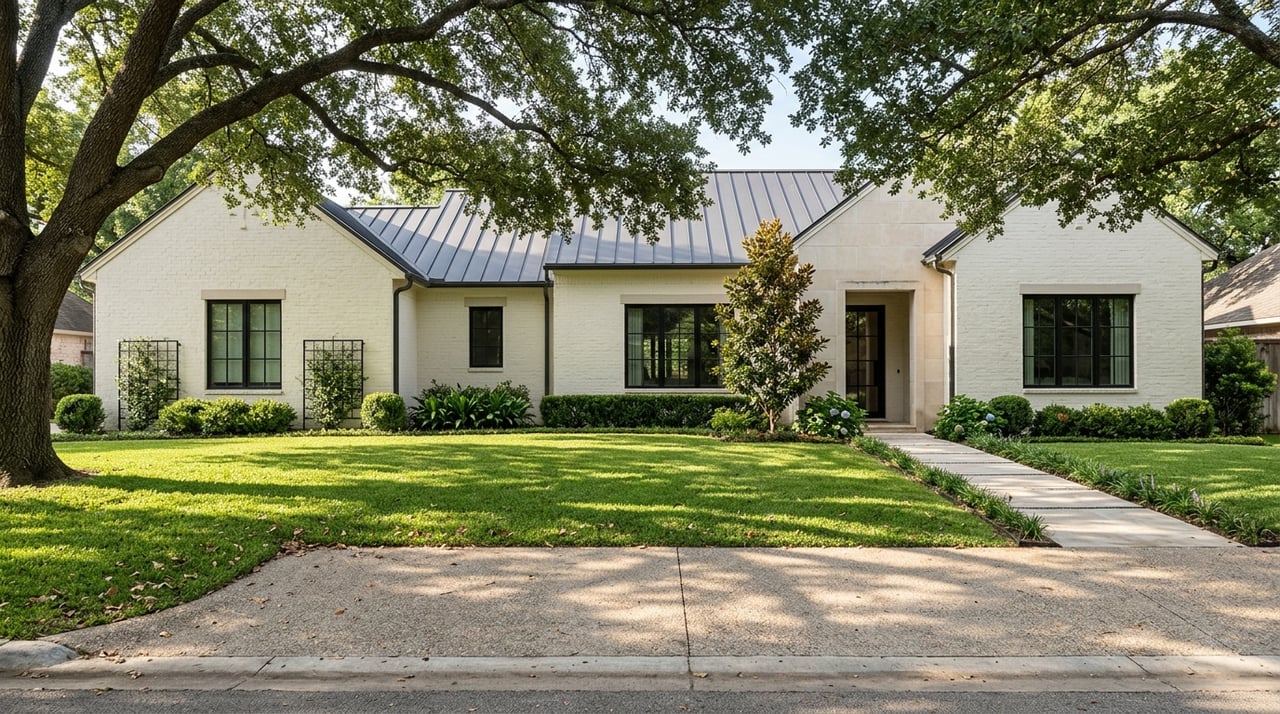
If you are thinking about buying in Tanglewood, you are not just choosing a house. You are evaluating land, trees, restrictions, and long-term fit in one of Houston’s most established luxury neighborhoods. In a market where the right details can shape both your lifestyle and future resale, it helps to know what really matters before you make an offer. Let’s dive in.
Tanglewood is an established luxury neighborhood in Houston’s Galleria area with about 1,220 lots across 23 sections. Development began in 1949, and the Tanglewood Homes Association, founded in 1948, manages common areas, a 24-hour patrol, deed-restriction enforcement, and private trash collection.
That structure matters because Houston does not use zoning in the traditional way. Instead, the city regulates subdivision and site development through ordinances, plat review, and site-plan review. In Tanglewood, private deed restrictions and HOA approvals play an unusually important role in shaping what a property can become.
The market remains selective. Realtor.com reported 33 homes for sale, a median listing price of $2,732,500, and a median days-on-market figure of 35 days in May 2026. Reported data also showed homes selling for about asking on average, with median listing price up 14.09% year over year and active listings down 5.56% year over year.
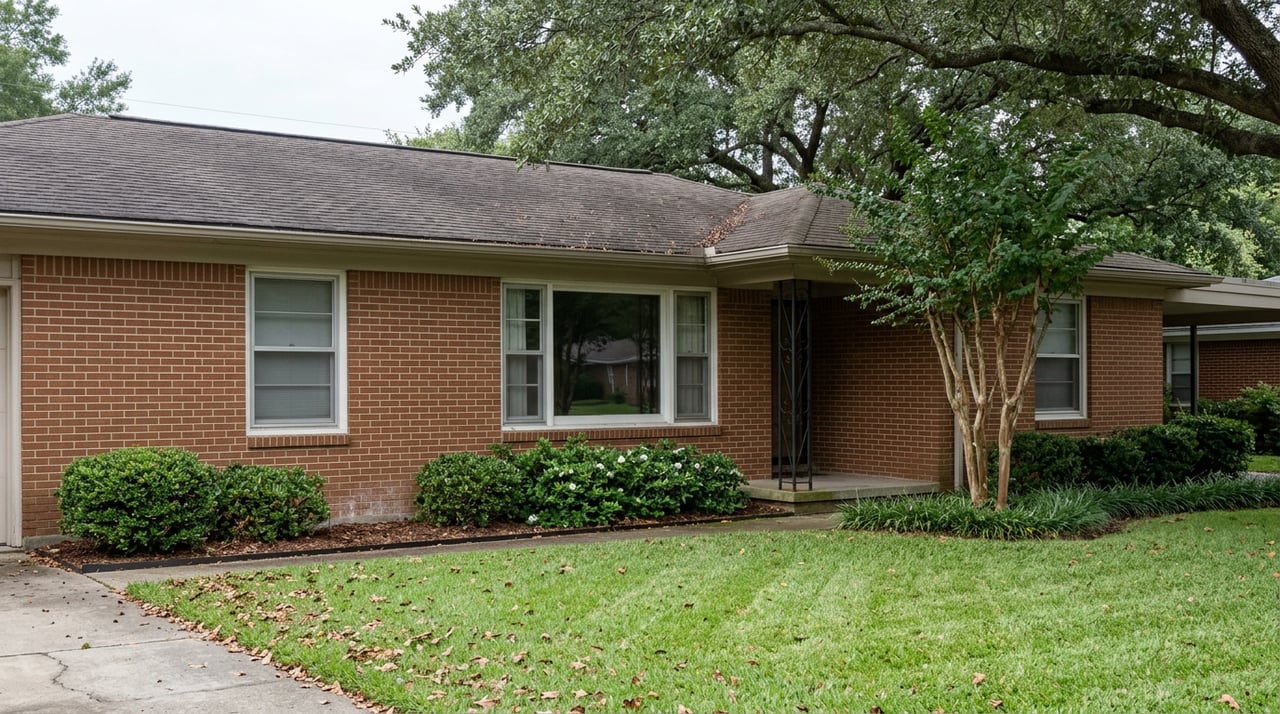
In Tanglewood, you are often buying more than the existing house. The neighborhood began with ranch-style homes on oversized lots, and many of those original homes have gradually been replaced by larger two-story residences. That shift means the land itself can carry as much importance as the structure sitting on it.
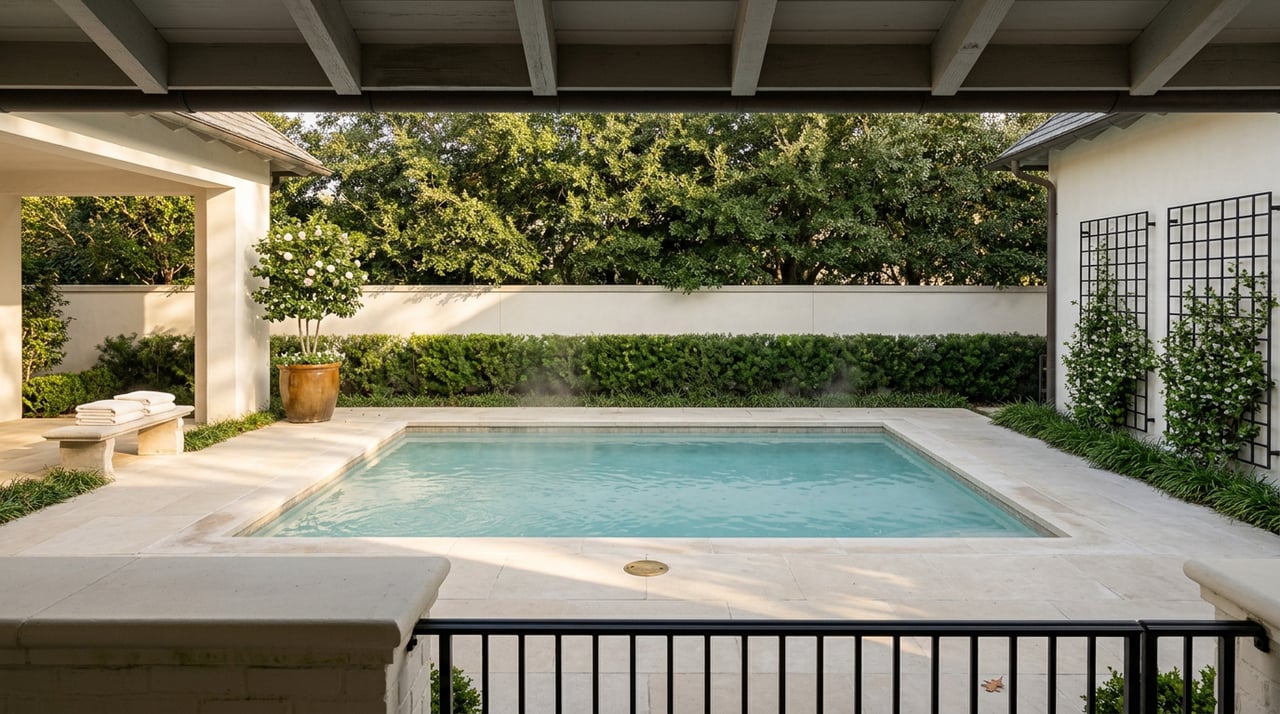
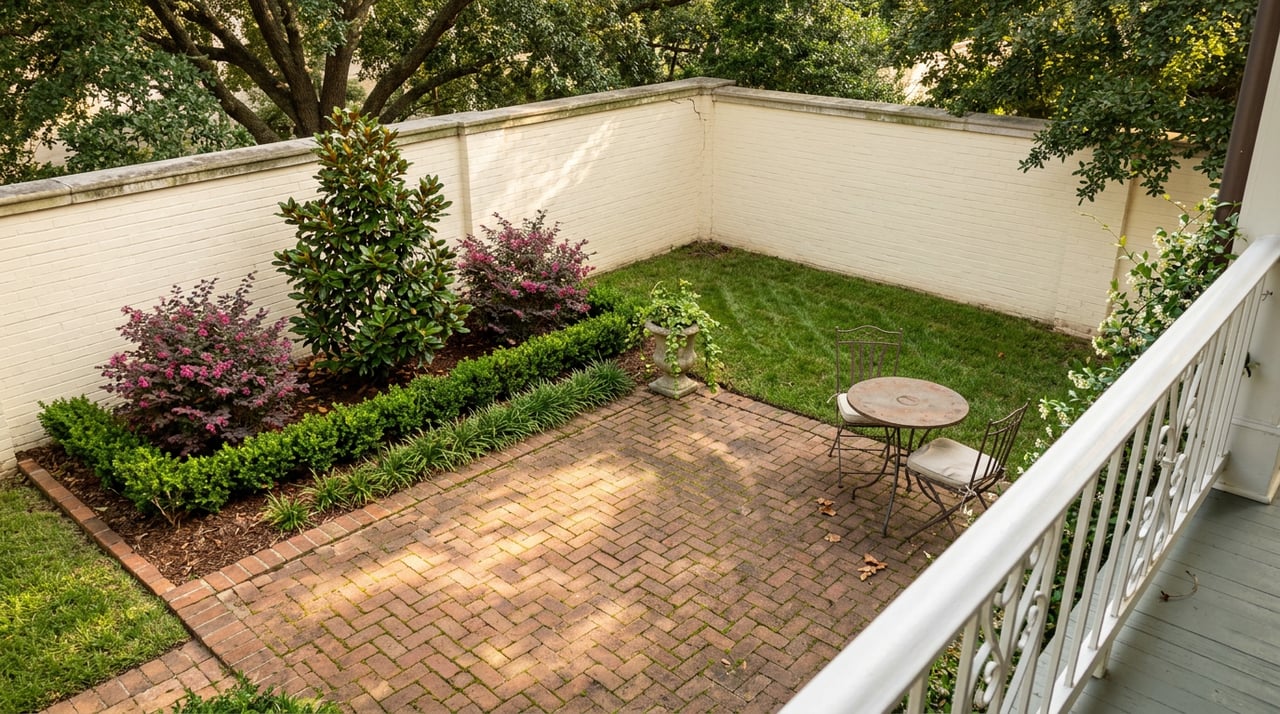
When you tour a property, look closely at lot width, depth, shape, and how the home sits on the site. Those basics affect privacy, outdoor space, driveway placement, pool options, and what may be possible later if you want to expand or rebuild.
A strong lot can also support better long-term resale appeal. Based on the neighborhood’s restrictions, tree policy, and rebuild patterns, durable value is often tied to lot dimensions, mature tree retention, and a home that feels well placed on its street.
Tanglewood’s tree canopy is a major part of its identity. The neighborhood’s tree policy explains that the area evolved from prairie land into a tree-lined residential setting, with trees planted on private lots and along the Tanglewood Boulevard esplanade.
That means trees are not just cosmetic. They are part of the neighborhood character, and they can directly affect your renovation or building plans. If you are considering new construction, major remodeling, or tearing down an existing home, tree requirements need to be reviewed early.
The THA tree policy requires a Tree Survey and Disposition Plan before demolition or construction. It also defines major remodeling as a 20% or greater increase in building footprint and sets minimum tree-count requirements for small and large lots. Separately, the City of Houston’s Tree and Shrub Ordinance requires landscape plans for new single-family construction and regulates removal of protected trees.
Not every Tanglewood address lives the same way. HAR describes the neighborhood as bordered by Woodway Drive, Chimney Rock Road, San Felipe Street, and Sage Road. As a practical matter, homes closer to those perimeter roads will usually feel busier than properties on deeper interior streets and cul-de-sacs.
When you evaluate a home, think beyond the front door. Pay attention to traffic flow, how quiet the block feels, and whether the street setting matches your priorities. In a luxury purchase, those block-by-block differences can have a real impact on daily enjoyment and future resale.
This is also why broad neighborhood averages only tell part of the story. In Tanglewood, section, street placement, and lot character often matter just as much as square footage or finish level.
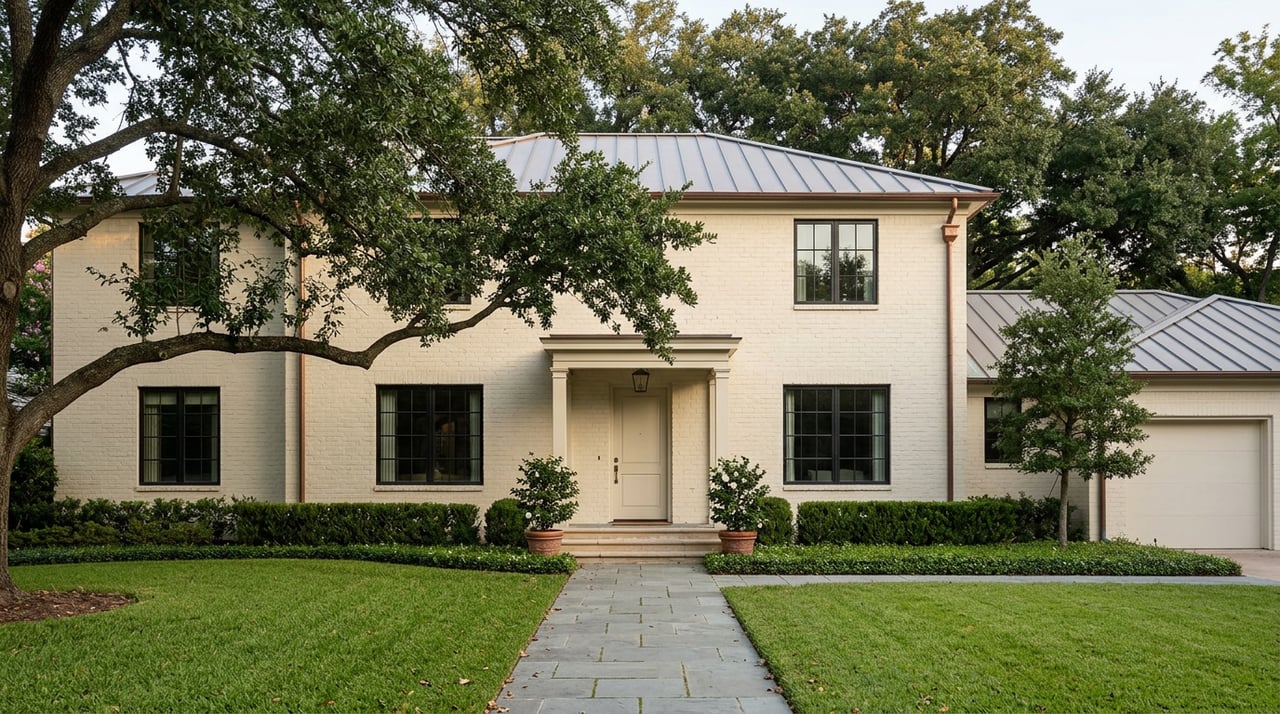
Tanglewood does not have one single dominant home style. While the original housing stock leaned ranch, newer and replacement homes have introduced a broader mix that includes English brick and stone, Georgian, Mediterranean, and French chateau influences.
That variation is part of the neighborhood’s appeal, but it also means you should evaluate how well a house fits its immediate surroundings. A beautiful home on its own is not the only standard. In a neighborhood with detailed restrictions and a strong streetscape identity, the best properties tend to feel intentional on their specific block.
If you are buying for the long term, it helps to look at both design quality and contextual fit. Homes that sit comfortably within their section’s character may have broader appeal when it is time to sell.
For many Tanglewood buyers, this is the biggest question. The answer often depends on the existing footprint, tree canopy, setbacks, and whether the current structure can be improved without forcing a full teardown.
Renovation may make sense if the house already has strong bones and sits well on the lot. If the footprint, placement, and trees work in your favor, improving the existing structure can be a practical way to preserve value while tailoring the home to your needs.
Building new may be the better long-term move when the lot geometry and section rules support a stronger site plan. But in Tanglewood, that process should begin with survey work, tree planning, and approvals, not just design ideas.
Any exterior work in Tanglewood requires THA approval. Additions and new-home approvals can take up to ten days, and the submission package must include a scaled site plan, elevations, exterior material descriptions, and placement of improvements such as driveways, patios, pools, HVAC equipment, and fences.
Variances are generally granted only in very limited and minor instances. Exterior construction over $25,000 and all pools also require a Builders Deposit Agreement.
For buyers, this means due diligence should include more than a standard home inspection. If you are buying with plans to remodel, expand, or rebuild, you want to understand the approval path before closing, not after.
Because Houston does not have zoning, Tanglewood’s deed restrictions carry unusual importance. They regulate details such as residential use, setback lines, roof and wall materials, garage-door orientation, fence height and location, driveway entry, and even the direction a residence must face.
These rules help preserve a coherent streetscape, but they can also limit what you can change. What works on one lot or in one section may not work on another. That is why section-level review is so important when comparing properties.
A buyer who understands the restrictions early can make a more confident decision. You will have a clearer sense of whether the home supports your goals as-is or whether your plans may run into constraints.
Along with HOA review, city development rules are part of the equation. Houston’s site-plan review process checks lot size, setbacks, parking, and landscaping, and the city’s development rules are ordinance-based rather than zoning-based.
If you are planning a rebuild or major project, it is wise to test the property from several angles at once. Code compliance, tree preservation, drainage, and resale fit should all be part of the same conversation.
That kind of planning can save time and reduce surprises. In a luxury neighborhood where land value is high, a misstep on site planning can be costly.
Flood diligence should be part of your early review, especially if you are considering improvements or new construction. Harris County advises owners to verify floodplain status through its Flood Education Mapping Tool or FEMA maps, notes that most homeowners policies do not cover flood damage, and requires floodplain permits for work in the floodplain.
The county also cautions that new construction can alter runoff patterns. Even if a property is outside a designated flood zone, Harris County recommends evaluating flood insurance needs because standard homeowner policies generally do not cover flood losses.
For a buyer, this is not just an insurance question. Floodplain status can affect future project planning, permitting, and overall risk management.
Before you move forward on a luxury estate in Tanglewood, keep your diligence focused on the issues that matter most:
Tanglewood is a neighborhood where the visible beauty of a property is only part of the story. The smartest purchases usually come from understanding what sits behind the façade, including restrictions, approvals, lot potential, and street-level context.
If you are buying in this part of Houston, it helps to work with an advisor who understands how luxury buyers evaluate not just homes, but also block placement, rebuild potential, and long-term positioning. That kind of neighborhood fluency can make the process calmer and more strategic.
If you are considering a move in Tanglewood and want thoughtful guidance on lot value, resale fit, or how to compare renovation versus rebuild opportunities, reach out to Caroline Bean for a polished, hands-on approach tailored to Houston’s luxury market.
Stay up to date on the latest real estate trends.

A consistent top producer, clients appreciate Caroline's hard work, responsiveness, and total dedication to their needs. She's known for her elite sales skills, impeccable client service and an ability to expertly drive any type of deal, including first-time buyers, new construction sales, resales, or relocations.