Choosing A Home In Houston Heights: Bungalows To New Builds
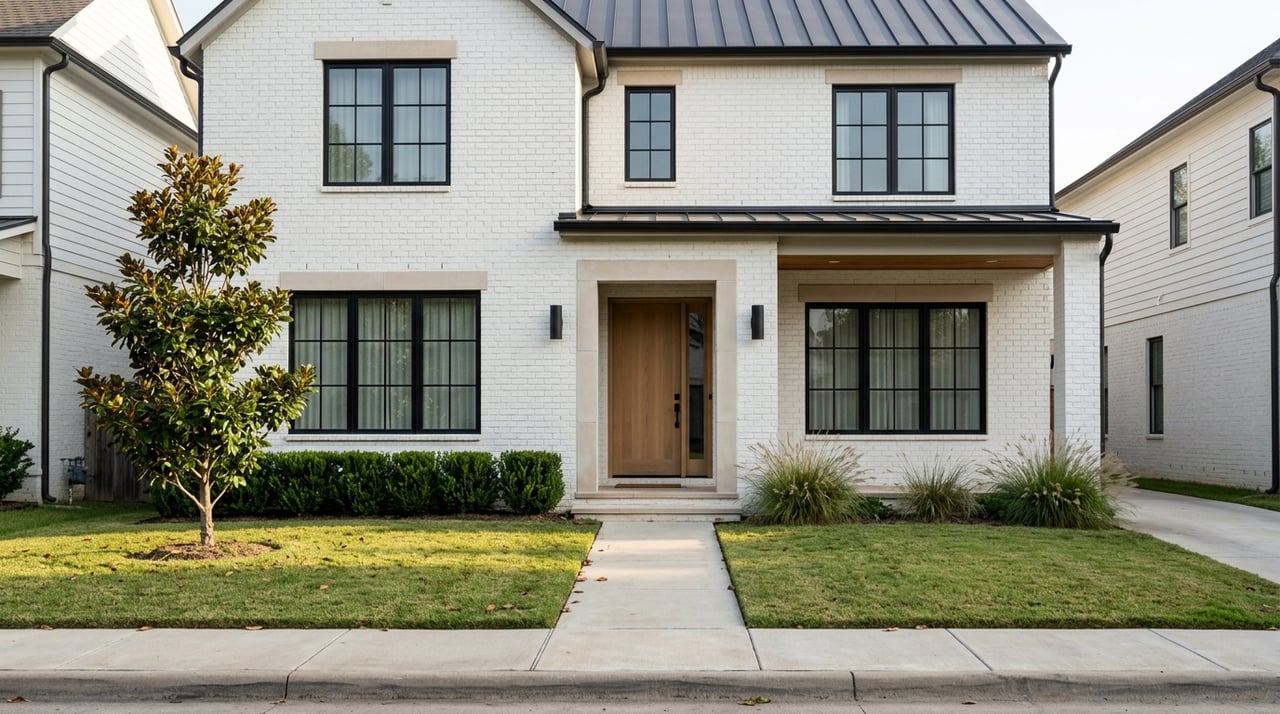
You can love the idea of Houston Heights and still feel torn once you start touring homes. One block offers a porch-front bungalow with original charm, while the next has a sleek newer build or a low-maintenance townhome. If you are trying to decide what actually fits your lifestyle, budget, and long-term goals in 77007, this guide will help you compare the tradeoffs with more confidence. Let’s dive in.
Houston Heights has a distinct identity because it began as Texas’ earliest planned community in 1891, became its own city in 1896, and was annexed by Houston in 1918. The City of Houston describes it as a turn-of-the-century neighborhood with multiple historic districts, which helps explain why so much of the area still feels visually cohesive.
That character is not just about age. In the Heights, scale, setbacks, porches, rooflines, and the way a home meets the street all shape how a block feels. For you as a buyer, that means the right home is not only about finishes inside. It is also about how well the property fits its setting.
The broader 77007 market includes a wide mix of housing types, and price points can vary based on condition, style, and block location. March 2026 market data showed median pricing in the mid-$500,000s, with Realtor.com reporting a median listing price around $535,000 to $537,000 and Redfin reporting a median sale price around $539,900.
In practical terms, that means two homes at a similar price can offer very different value. One may give you historic character and a strong streetscape fit, while another may give you more square footage, newer systems, or easier upkeep.
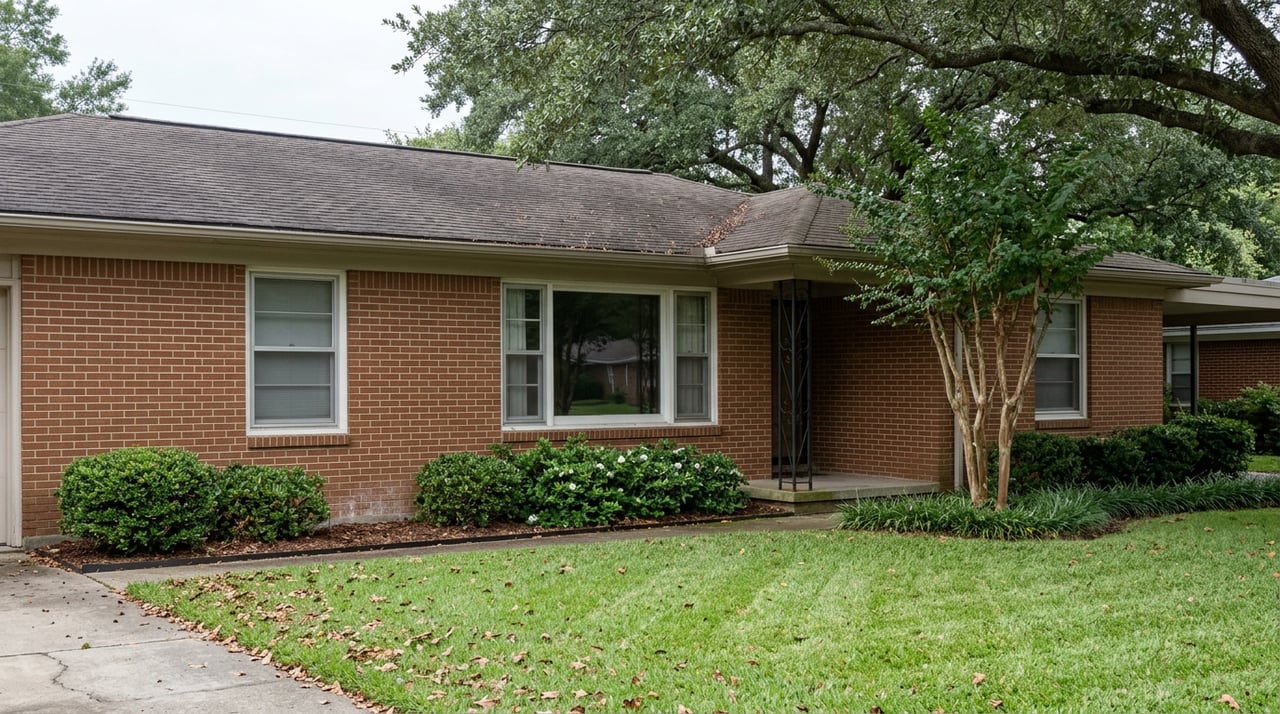
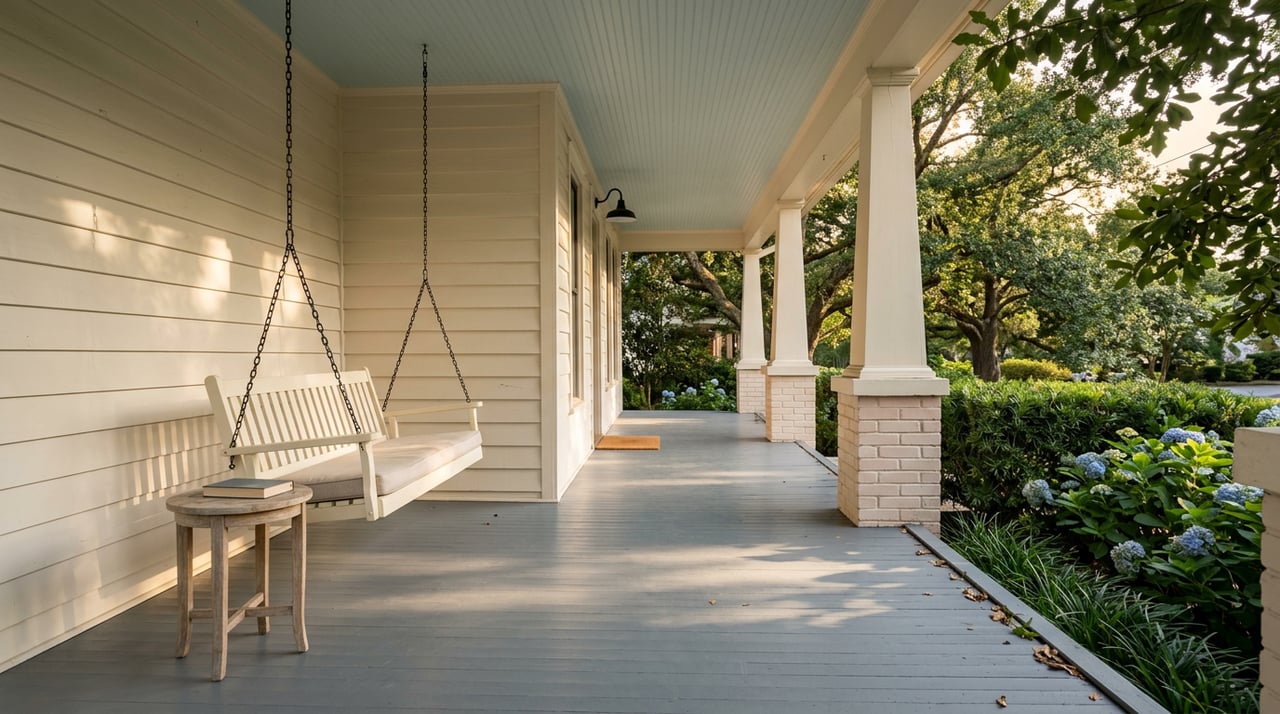
Classic Heights bungalows are often the clearest expression of the neighborhood’s historic scale. The City of Houston identifies wide eaves, low-pitched roofs, front porches, large windows, and mostly pier-and-beam foundations as defining features in the district.
If charm matters most to you, a bungalow may feel like the most authentic choice. These homes are often smaller and older, but they can offer the strongest connection to the original look and rhythm of the Heights.
The tradeoff is usually maintenance and space. Because many older homes in the area sit on pier-and-beam foundations, it is smart to pay close attention to structural upkeep and visible exterior elements like porches, siding, and roof details.
A well-renovated historic home can offer a very appealing middle ground. You may get original character on the outside with a more functional layout or updated systems inside.
But in the Heights, not all renovations are equal. The City of Houston says renovation work should preserve historic character, keep the original structure predominant, and avoid additions that overpower the home or create a false historical impression.
As you evaluate a renovated property, focus on whether key character features were respected. Look closely at the porch, roof shape, windows, overall massing, and how the home sits on the lot, because those are part of what gives the district its historic identity.
Townhomes often attract buyers who want newer interiors and less exterior maintenance. If your priority is lock-and-leave convenience or a more modern interior plan, this can be a practical option.
That said, a townhome is not always the most natural fit for every Heights block. The City of Houston notes that in historic districts, attached garages, front parking pads, front-facing garages, and three-or-more-story massing are considered incompatible with the typical district setting.
So if you are comparing a townhome to an older detached home, look beyond the interior finishes. Pay attention to entry orientation, garage placement, height, side setbacks, and whether the building feels integrated with the street or more redevelopment-driven.
Newer construction can be a strong fit if you want a more current floorplan and lower-maintenance living. Open kitchens, newer materials, and contemporary layouts can be major advantages for many buyers.
In the Heights historic districts, however, newer construction is expected to be compatible rather than imitative. The City of Houston says a new home does not need to copy an older style, but it should fit the block in terms of size, proportion, setbacks, and materials.
That means the best new builds in the Heights are often the ones with restraint. A house that is too tall, too wide, too close to the street, or too focused on the garage can feel out of sync with the block, even if the interior is beautifully finished.
In Houston Heights, the block itself matters almost as much as the home. The City of Houston points to front setback, massing, porch presence, roof pitch, and the relationship between neighboring homes as key parts of the district’s character.
Typical Heights setbacks range from about 15 to 25 feet. Detached garages and carports behind the house are the more traditional pattern, and side driveways are preferred over front parking pads.
When you tour homes, ask yourself a simple question: does this property feel like it belongs on this street? That answer can shape both your enjoyment now and your resale appeal later.
One of the most important questions you can ask is whether a property sits inside one of the Heights historic districts or outside it. The city has separate West, East, and South historic districts with defined boundaries, and the rules apply within those designated areas.
This matters because ordinary maintenance and repair generally do not require a Certificate of Appropriateness, and some minor exterior work can be handled administratively. But many exterior alterations, replacements of historic materials, additions, and new construction do require review, and the city recommends involving historic preservation staff early.
There is another layer too. Some blocks are also subject to deed restrictions, Minimum Building Line rules, or Minimum Lot Size rules, so assumptions from one street may not carry over to the next.
Focus on bungalows and historic homes on blocks where the original scale still reads clearly. In these areas, authenticity tends to carry more weight, and details like porches, rooflines, and lot placement become especially important.
Look closely at renovated historic homes. The goal is to find one where the updates support daily living without erasing the architectural features that make the home feel like it belongs in the Heights.
Townhomes may make more sense for your lifestyle. If that is your direction, pay extra attention to how the property meets the street and whether its design aligns with the block around it.
New construction can be a strong choice, especially if you value current design and reduced upkeep. The key is to make sure the home works with the lot and the street, not just the floorplan.
The strongest resale candidates in the Heights usually do three things well. They fit the block, preserve character where it matters, and still make everyday living easy.
A useful rule of thumb is this: the more historic the block, the more authenticity tends to matter. On more redevelopment-oriented blocks, layout efficiency, parking, and newer construction features may play a larger role in value.
The City of Houston also notes that homes on Heights Boulevard, Yale, Harvard, and corner lots were historically larger than average. If you want a property with a bigger presence, those locations may offer better alignment than a smaller interior residential street.
When you walk through a home in the Heights, it helps to evaluate more than the kitchen and primary suite. A few targeted questions can quickly tell you whether the property is likely to fit your goals.
In a 77007 market where median pricing sits around the mid-$500,000s, these distinctions can have a real impact on value. What you buy is not just square footage. It is also context, compatibility, and how well the home will age with the block around it.
If you are weighing a bungalow against a renovation, townhome, or new build in the Heights, a thoughtful side-by-side comparison can save you from buying the wrong kind of “nice.” If you want help narrowing the options and reading the block as carefully as the floorplan, reach out to Caroline Bean for clear, local guidance.
Stay up to date on the latest real estate trends.

A consistent top producer, clients appreciate Caroline's hard work, responsiveness, and total dedication to their needs. She's known for her elite sales skills, impeccable client service and an ability to expertly drive any type of deal, including first-time buyers, new construction sales, resales, or relocations.