Looking for Home for Sale in Houston, TX? Here Are 10 Things You Should Know
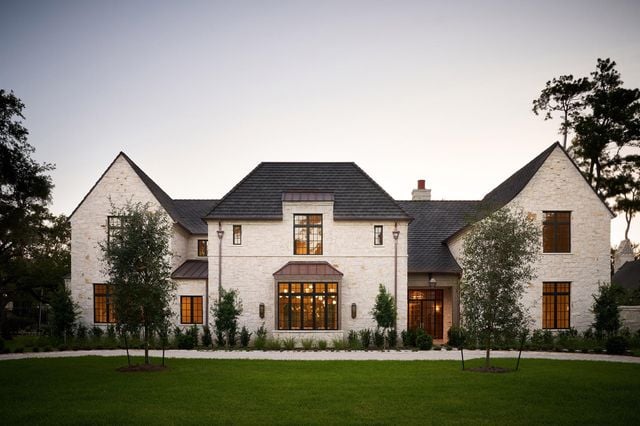
Houston offers an extraordinary range of homes and lifestyles, from historic bungalows and modern townhomes to private estates beneath mature oak trees. But finding the right fit takes more than browsing listings. Neighborhood boundaries, commute routes, property taxes, insurance, and flood history can all shape the experience of owning a home here.
As a native Houstonian and Associate Broker with Compass, I help buyers look beyond the listing photos to understand how a property fits their day-to-day life and long-term plans. Before you begin searching for homes for sale in Houston, TX, keep these 10 points in mind.
Houston is a city of distinct communities, and “close to work” can mean something very different depending on where you need to be. Start by listing your priorities: commute, yard size, architecture, walkability, privacy, schools, or access to particular amenities.
For example, River Oaks is known for historic character, grand homes, and a central location. West University offers a close-knit residential feel near Rice Village and the Texas Medical Center. The Heights has a mix of historic homes and newer builds, while Memorial and Tanglewood offer leafy streets and a different pace. Lynn Park is another central option worth exploring.
A neighborhood name is a useful starting point, not a complete description of a property. In Houston, two homes with the same neighborhood label can differ in deed restrictions, school assignment, municipal services, home styles, and proximity to busy roads.
I encourage buyers to compare specific blocks and properties, not just broad area names. Visit at different times of day. Note nearby construction, traffic, drainage, and how the street feels on a regular weekday. If school access matters to you, verify the current boundary directly with the school district rather than relying on a listing description.
The broader Houston market has more inventory than it did during the tightest recent periods, giving many buyers more homes to compare and more room for careful decisions. HAR reported that active single-family listings reached a record 40,750 in July 2026. That does not mean every property is negotiable: well-priced homes in sought-after locations can still attract strong interest.
Luxury activity has also held up. Sales of homes priced at $1 million and above increased 9.4% year over year in July, according to reporting on HAR data. These area-wide figures are helpful context, but they are not a substitute for recent comparable sales in a specific neighborhood and price range. Review HAR’s July market update alongside the listings you are considering.
A comfortable purchase price is only one part of a sustainable budget. Estimate the mortgage payment, property taxes, homeowners insurance, any flood coverage, utilities, maintenance, and, where applicable, HOA or special-district fees.
Texas has no state income tax, but that does not make property ownership inexpensive by default. Taxes and insurance can add meaningfully to a monthly payment, and the amounts vary from one address to another. Ask your lender to model realistic ownership costs for specific homes before you make an offer.
Houston-area property taxes are not set by one universal city rate. A home’s bill can combine rates from several taxing units, such as a city, county, school district, hospital district, or municipal utility district. The combination depends on the property’s exact location.
Look up the parcel through the Harris Central Appraisal District to review its appraisal and taxing jurisdictions. If you plan to make the home your primary residence, check the current homestead exemption requirements. Have your lender or tax professional help estimate the bill using the applicable rates and exemptions; do not assume the seller’s current tax amount will be your future cost.
Insurance availability and price can vary with a home’s location, replacement cost, roof age and material, deductible, claims history, and other underwriting factors. A quote for one property may not tell you what another home nearby will cost to insure.
Ask for a property-specific homeowners insurance quote as you evaluate a serious contender, and confirm what the policy does and does not cover. Use the Texas Department of Insurance’s consumer resources to understand your options. If flood coverage may be relevant, ask about it separately rather than assuming a standard homeowners policy includes it.
Houston buyers should review flood risk for every property, even when a home is not shown in a high-risk FEMA flood zone. A map is one source of information, not a guarantee that a property has never flooded or will not flood.
Use FEMA’s Flood Map Service Center to check the effective map for the address, then review Harris County Flood Control District resources. Ask about prior flooding, drainage patterns, elevation certificates, and any available flood claims or repair history. Confirm whether your lender requires flood insurance, and consider an insurance quote as part of your due diligence.
Houston’s housing stock ranges from historic homes to new construction, and each comes with different questions. During inspections, pay careful attention to the roof, HVAC systems, plumbing, electrical work, drainage, and foundation. For older or substantially renovated homes, ask for permits, repair records, warranties, and specialist inspections where appropriate.
A home can be beautifully presented and still need near-term work. Understanding the likely maintenance costs helps you compare homes fairly and plan with confidence.
Houston’s scale makes commute patterns a practical part of choosing a home. A route that looks simple on a map can feel very different during peak hours, and an extra few miles may mean a different freeway, toll road, or school drop-off routine.
Before settling on a location, try the drive at the times you expect to travel. Check access to the routes you will use regularly, whether that is I-10, 610, US-59/I-69, US-290, or another corridor. If you are relocating, I can help you compare areas based on your workplace and daily routine, but an actual test drive is invaluable.
Not every available home is marketed publicly. In some Houston neighborhoods, sellers may prefer a private introduction or a more discreet process. Through my work and professional network, including The Private Client Network, I can help buyers explore appropriate off-market opportunities while keeping expectations grounded: private inventory is never guaranteed, and every option still deserves careful review.
A local agent can also help you interpret comparable sales, understand neighborhood-specific restrictions, assess offer terms, and coordinate the steps between contract and closing. My role is to make the process clearer and more manageable, whether you are buying your first home, relocating, or looking for a property in Houston’s luxury market.
There are many ways to search Houston homes for sale, but the most useful search starts with your priorities and a realistic view of each property’s full costs and context. Compare neighborhoods, verify taxes and insurance, investigate flood history, and consider how the home will work for your everyday routine.
You can browse available Houston listings or contact me to talk through your plans. I’m happy to help you identify the right areas, answer questions, and take the next step at a pace that feels comfortable.
Stay up to date on the latest real estate trends.

A consistent top producer, clients appreciate Caroline's hard work, responsiveness, and total dedication to their needs. She's known for her elite sales skills, impeccable client service and an ability to expertly drive any type of deal, including first-time buyers, new construction sales, resales, or relocations.